Out School SVG Design: A Crafter’s Practical Review
As a designer who spends more time behind an embroidery hoop than a computer screen, I approach every new digital asset with a healthy dose of skepticism. When evaluating the Out School Svg Design, my first thought wasn't about how it looks on a monitor, but how it will behave under the needle. This review breaks down the practical realities of using this graphic for real-world machine embroidery design projects, moving beyond the basic product description to discuss stitchability, commercial viability, and creative application for fellow makers and small business owners.
First Impressions: Visual Personality and Layout
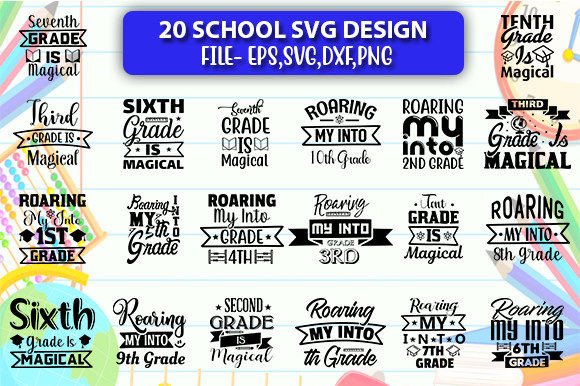
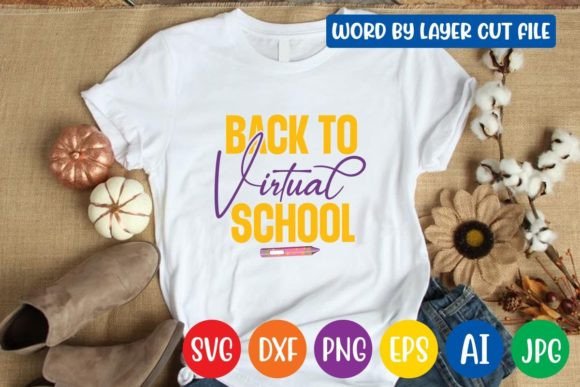
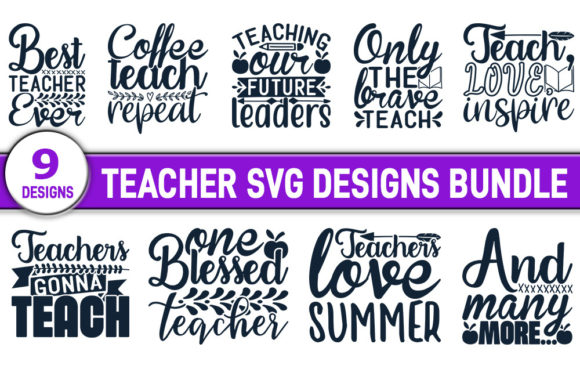
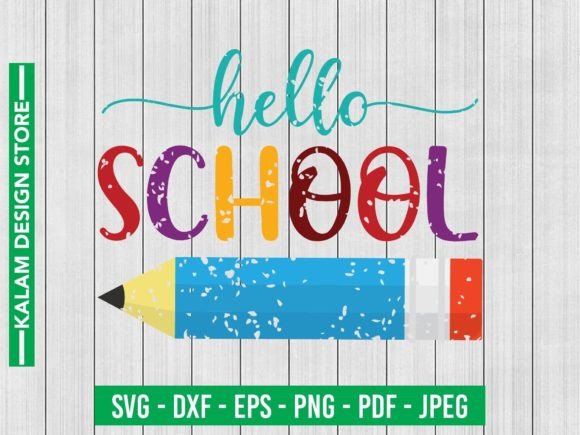
Upon opening the .zip file, which includes both the Adobe Illustrator source file and the word-by-layer SVG cut file, the immediate impression is one of clean, intentional geometry. For those of us in the Crafts category, we know that not all Graphics translate well to thread. However, the Out School Svg Design possesses a distinct visual rhythm that suggests it was created with fabrication in mind. The shapes are bold enough to hold definition without relying on microscopic details that often get lost in translation from screen to fabric.
The mood strikes a balance between nostalgic academia and modern minimalism. It feels approachable yet structured, making it versatile for various demographics. As a reviewer, I appreciate that the lines aren't overly chaotic. In embroidery, negative space is just as important as stitched areas, and this design respects that balance. It doesn't scream for attention; rather, it invites customization, which is exactly what you want when creating a personalized gift or branded merchandise.
Real-World Application: The Custom Tote Bag Test
To truly evaluate this asset, I mentally placed it into a current client project: a series of canvas tote bags for a local literacy nonprofit's fundraiser. This scenario tests the design's durability, readability, and aesthetic appeal on a textured, medium-weight substrate. Canvas can be unforgiving; if a design is too dense, it creates a bulletproof patch; if it is too sparse, it looks cheap.
For this tote bag design application, the layered nature of the SVG is a massive advantage. Because the file separates elements by layer, I can easily assign specific stitch types to different components. I envision using a sturdy fill stitch for the primary structural elements to ensure coverage on the canvas weave, while utilizing a crisp satin stitch for borders or accent lines to add a professional sheen. The ability to manipulate these layers in Illustrator before digitizing means I can adjust the scale without losing integrity, ensuring the design remains legible even when resized for different bag dimensions.
From a customer reaction standpoint, this design communicates value. It avoids the clip-art aesthetic that plagues many Etsy seller listings. Instead, it offers a boutique feel that justifies a higher price point for handmade products. Whether used for custom apparel like sweatshirts or educational themed nursery decor, the design carries a weight and professionalism that builds buyer trust.
Technical Considerations and Fabric Compatibility
While the Out School Svg Design is visually strong, experienced embroiderers know that execution matters more than concept. Here is where you need to exercise caution and technical judgment:
- Stretchy Fabrics: If applying this to performance wear or lightweight knits, the design's structure requires adequate stabilization. Use a high-quality cut-away stabilizer to prevent puckering, especially if you convert vector lines into dense satin columns.
- Small Hoop Sizes: While scalable, reducing this design below 3 inches may compromise detail. Always test stitch on scrap fabric at your intended size. Tiny lettering or intricate corners may need to be simplified or removed entirely for smaller hoops.
- Textured Surfaces: On terry cloth towels or fleece blankets, consider adding an underlay or a water-soluble topping. This ensures the design sits on top of the pile rather than sinking in, maintaining the clarity essential for holiday embroidery or gift items.
- Curved Applications: For caps or sleeves, verify that the design’s aspect ratio fits the curvature. You may need to warp or arc specific text elements within the AI file before generating your embroidery file to compensate for distortion.
Enhancing Product Value and Brand Consistency
In the competitive landscape of commercial embroidery and digital downloads, consistency is currency. The Out School Svg Design serves as a reliable anchor for brand identity. Because it is provided as a vector source file, it allows for infinite colorway variations without quality loss. This is crucial for small shop products that need to match seasonal palettes or specific team colors.
Furthermore, the clean aesthetic translates exceptionally well to printable mockups. Before you even thread a needle, you can create professional listing photos showing the design on various substrates. This reduces waste and helps validate market interest. For digital product sellers, offering this as part of a bundle or as a standalone design asset adds value because buyers recognize its versatility. It bridges the gap between paper crafting (via the SVG cut file) and textile arts, maximizing the return on investment for creative entrepreneurs.
Designer Notes: Best Practices Before You Stitch
Before incorporating the Out School Svg Design into your next embroidery project, please adhere to these professional guidelines to ensure success:
- Verify Licensing: The product description specifies "Digital Download Only." Always confirm whether your purchase includes commercial rights for selling finished physical goods versus reselling the digital file itself. Protect your business by understanding these terms upfront.
- Digitization Check: Remember that an SVG or AI file is a graphic, not a stitch file. You must digitize this design using your preferred software. Do not assume auto-digitizing will yield professional results. Manually map out stitch directions, tie-ins, and trims to optimize production time and finish quality.
- Contrast Testing: Run a black-and-white simulation in your digitizing software. If the design relies solely on color contrast rather than value contrast, it will fail on dark fabrics. Adjust density or add outline stitches to ensure visibility across all thread colors.
- Washability Assessment: If creating baby items or kitchen textiles, test wash the finished sample. Ensure stitch density is sufficient to withstand laundering without fraying. Satin stitches wider than 7mm often require anchoring stitches to remain durable.
- Mockup Validation: Create digital previews on both light and dark backgrounds. This helps identify potential visibility issues before committing to physical sampling and ensures your marketing materials accurately represent the final finished product.
Ultimately, the Out School Svg Design is a robust foundation for makers who understand the translation process from vector to stitch. It offers the flexibility needed for craft business growth while maintaining the aesthetic standards required for high-end custom apparel and personalized goods. By approaching this file with technical mindfulness and creative intention, you can transform a simple digital download into a signature element of your handmade portfolio.