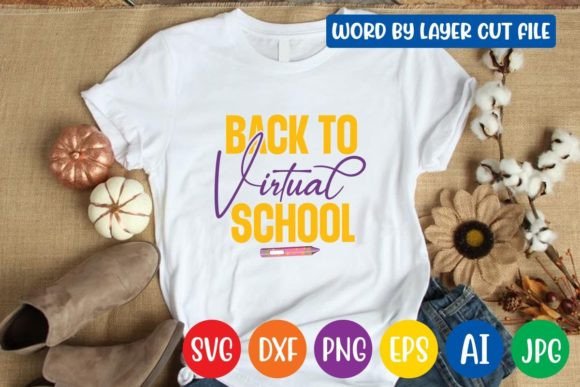
Back to Virtual School Svg Design Review
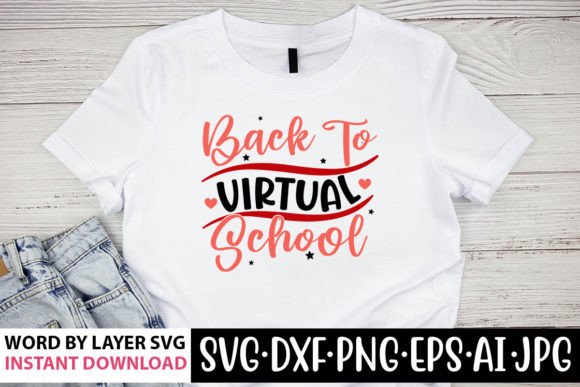
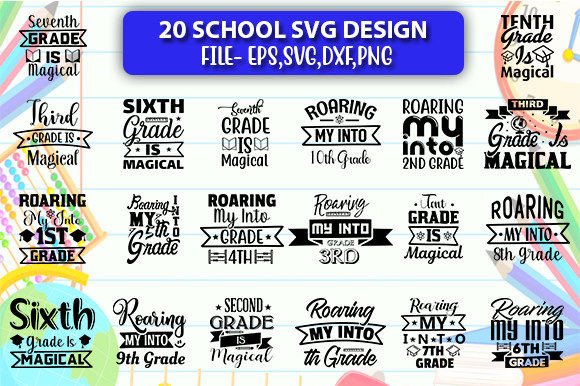
As a professional embroidery digitizer and product reviewer, I approach every new graphic asset with a specific question: will this actually stitch out cleanly on real fabric? When evaluating the Back to Virtual School Svg Design, my focus shifts immediately from screen aesthetics to needle performance. This digital download includes 20 SVG files and 20 Adobe Illustrator source files, offering significant versatility for crafters and commercial embroiderers. However, having editable vector graphics is only the starting point. For those of us creating custom apparel, tote bag designs, or Etsy listings, the true value lies in how these clean lines translate into satin stitches, fill stitches, and running stitches without causing puckering or registration issues.
First Impressions: Visual Clarity and Stitch Potential
Upon opening the AI and SVG files, the first thing I assess is line integrity. Vector art intended for print often contains gradients or hairline details that are disastrous for machine embroidery design. Fortunately, this collection appears structured with distinct layers, which is a massive advantage for digitizing. The "Word by Layer" organization suggests that each element can be isolated, allowing me to adjust stitch density individually rather than treating the entire composition as a single block. This modularity is essential when adapting a design for different hoop sizes or fabric weights.
The mood of the Back to Virtual School Svg Design strikes a balance between nostalgic academic imagery and modern remote learning reality. Visually, it feels approachable and slightly retro, making it ideal for sweatshirt embroidery or nursery decor. From a technical standpoint, the shapes appear bold enough to support standard embroidery techniques. Thin, wispy lines are the enemy of a smooth stitch-out, but these graphics seem to possess the necessary weight to accommodate a proper underlay and top stitching without losing definition. For an Etsy seller or small shop product creator, this visual clarity translates directly to customer trust; buyers can clearly see what they are purchasing, reducing returns due to unmet expectations.
Real-World Application: The Custom Sweatshirt Test
To truly evaluate this asset, I mentally applied it to a current client request: a batch of crewneck sweatshirts for a homeschool co-op. Sweatshirt fleece is a challenging substrate because of its stretch and pile. Using the Back to Virtual School Svg Design for this project requires strategic planning. Because the files are layered vectors, I can separate the text from the graphical elements. This allows me to use a dense satin stitch for the lettering to ensure legibility against the textured fabric, while utilizing a lighter fill stitch or even an applique design approach for larger graphic areas to prevent the garment from becoming stiff and bulletproof.
In this scenario, the design’s adaptability is its strongest selling point. If I were using a flat raster image, resizing for a youth small versus an adult XL would result in jagged edges or distorted proportions. With these AI source files, I can scale the artwork infinitely while maintaining crisp edges for digitizing. This flexibility is crucial for commercial embroidery businesses that need to offer size-inclusive personalized gifts without redigitizing from scratch. Furthermore, the ability to manipulate layers means I can change thread colors easily to match specific school colors or brand palettes, enhancing the perceived value of the finished product.
Navigating Fabric Limitations and Technical Constraints
While the Back to Virtual School Svg Design offers excellent potential, experienced makers must recognize where caution is required. Not every variation in this 20-file set will perform equally across all substrates. When working with baby embroidery items like onesies or bibs, the design area is limited, and the fabric is delicate. Highly detailed sections of the vector art may need to be simplified or omitted entirely to prevent needle damage or excessive stiffness. Always check the minimum recommended size for any text elements; if the letters are too small to sustain a readable satin stitch column, they should be converted to a running stitch or removed.
Textured fabrics like terry cloth towels or corduroy present another challenge. The clean lines of this SVG design can get lost in the nap of the fabric. In these cases, I recommend using a water-soluble topping stabilizer to keep the stitches on the surface. Conversely, when applying this design to thin, stretchy knits for holiday embroidery or summer wear, cut-away stabilizer is non-negotiable to prevent distortion. Dark fabrics require careful consideration of underlay; without adequate coverage, the dark fabric texture might show through lighter thread colors, diminishing the professional look of your handmade product.
Curved surfaces, such as caps or sleeves, demand special attention. A design that looks perfect flat may distort when wrapped around a cylinder. Before committing the Back to Virtual School Svg Design to a cap project, test the aspect ratio. You may need to vertically compress the artwork slightly in your digitizing software to compensate for the curve. This level of foresight separates hobbyists from professional apparel decorators.
Professional Workflow and Quality Assurance Notes
For creative entrepreneurs and digital product sellers integrating this asset into their workflow, rigorous testing is mandatory. Never assume a vector file is stitch-ready straight out of the zip folder. Here are practical notes based on professional review standards:
- Test Stitch First: Always run a sew-out on scrap fabric that matches your final project's weight and weave. Check for registration errors between color changes.
- Verify Licensing: While you receive 20 AI and 20 SVG files, confirm the specific license terms regarding commercial embroidery and digital resale before listing items on Etsy or Shopify.
- Mockup Accuracy: Use the high-quality vectors to create accurate printable mockups. Ensure your digital previews reflect the actual stitch texture so customers understand they are buying an embroidered item, not a printed one.
- Stitch Density Check: Review the digitized file for excessive density. Overly dense areas cause thread breaks and fabric tearing. Adjust pull compensation to account for fabric stretch.
- Contrast Testing: View the design in black and white during the digitizing phase to ensure tonal contrast exists independent of color. This ensures readability on monochrome garments.
The inclusion of Adobe Illustrator source files elevates this product beyond a simple embroidery file pack. It empowers designers to fix nodes, smooth curves, and optimize geometry specifically for needle penetration points. This capability is vital for maintaining brand consistency across a product line. Whether you are creating embroidered patches, kitchen linens, or boutique merchandise, the ability to refine the source art ensures your output remains sharp and professional.
Elevating Product Value Through Strategic Design Use
Ultimately, the Back to Virtual School Svg Design serves as a robust foundation for both personal projects and business inventory. Its strength lies in its layered vector construction, which respects the technical realities of embroidery while providing creative freedom. For craft business owners, this translates to efficiency; less time fixing bad art means more time stitching and selling. For hobbyists, it offers a learning opportunity to understand how vector manipulation impacts stitch quality.
When used correctly—with appropriate stabilizer, tested densities, and mindful scaling—this design collection supports high-value outcomes. It avoids the generic clip-art look that devalues handmade goods, offering instead a polished aesthetic that resonates with parents, educators, and students navigating the virtual learning landscape. By treating these SVG and AI files as raw materials rather than finished solutions, you ensure that every tote bag design, sweatshirt, or gift item meets the rigorous standards of modern embroidery enthusiasts and discerning customers alike. Remember, the file is the blueprint, but your expertise in material selection and machine tuning brings the Back to Virtual School Svg Design to life.