Teacher Svg Design: A Crafter’s Stitch Test
As a professional embroidery digitizer and product reviewer, I approach every new graphic asset with a healthy dose of skepticism. When evaluating the Teacher Svg Design, my first thought isn't about how pretty it looks on a screen, but how it will behave under the needle. This design falls squarely into the Crafts and Graphics categories, marketed as a versatile digital asset for creators. However, for those of us running a craft business or managing an Etsy shop, the true test lies in translation from vector to thread. After reviewing the file structure and visual composition, I can see this design has significant potential for custom apparel and personalized gifts, provided you understand its technical boundaries.
First Impressions and Visual Personality
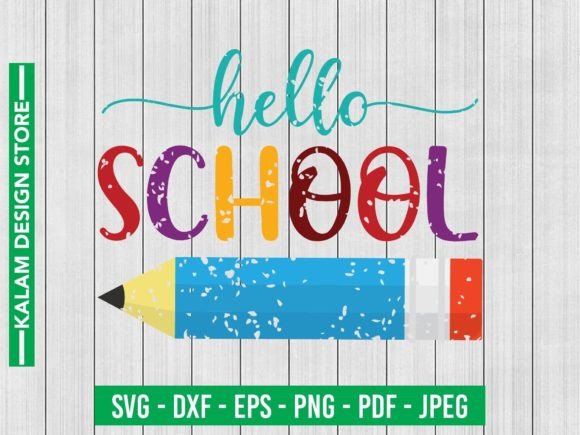
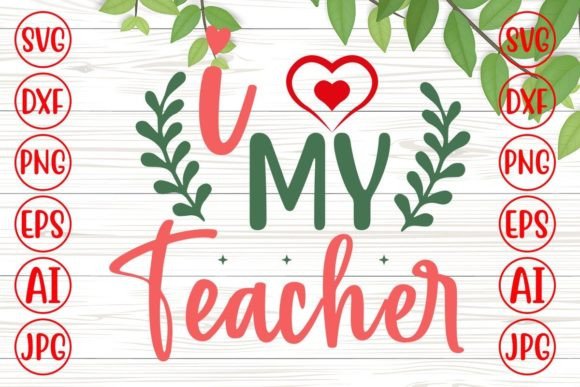
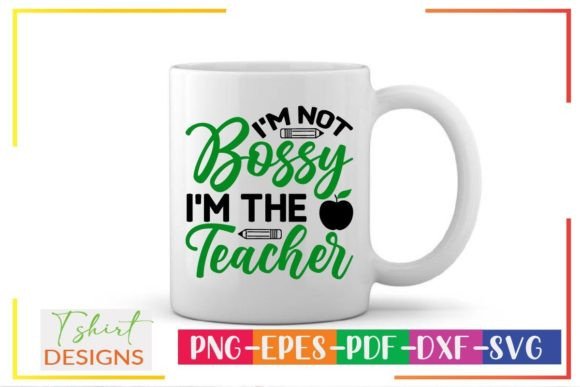
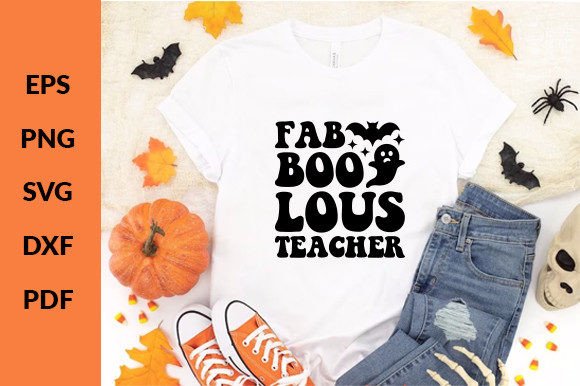
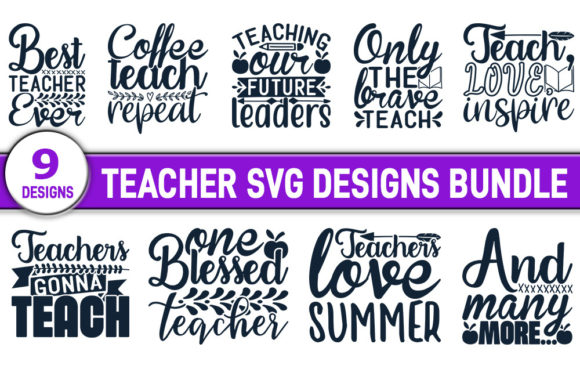
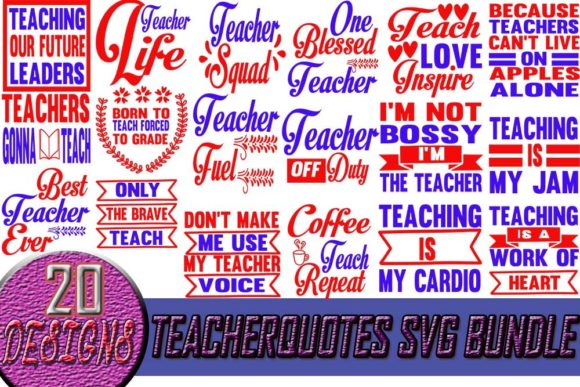
Upon opening the ZIP file, which conveniently contains EPS, SVG, PNG, and DXF files, the immediate impression is one of clean, approachable aesthetics. The design captures that quintessential educator warmth without feeling juvenile or overly cartoonish. For a handmade product seller, this balance is critical. You want a teacher svg design that appeals to adult professionals buying for themselves, not just parents buying for their children's classroom parties. The lines are distinct, suggesting that if converted properly into a machine embroidery design, the registration should hold up well. The mood is appreciative and nostalgic, making it an ideal candidate for holiday embroidery or end-of-year gifts rather than generic school supplies.
Real-World Application: The Sweatshirt Test
To truly evaluate this asset, I mentally placed it in a real-life production scenario: creating a custom embroidered sweatshirt for a high school English teacher. This is a staple item for any small shop product lineup during the fall season. In this context, the Teacher Svg Design serves as more than just decoration; it is a branding element for the wearer. When stitching on fleece-backed sweatshirt material, the fabric texture plays a massive role. Fleece is notorious for swallowing fine details.
In this specific case, I would utilize the SVG or EPS file to create a custom embroidery file tailored for heavy knits. If the design features solid fill areas, they provide excellent coverage against the textured fabric. However, if there are intricate running stitch elements meant to mimic pen marks or chalk lines, I would advise caution. On a sweatshirt, these delicate lines can get lost or cause puckering if the stitch density isn't adjusted. For this project, treating the design as a bold applique design or using thicker satin stitch borders would yield a far superior finished product compared to trying to replicate every pixel-perfect detail of the original graphic. The result is a cozy, professional garment that feels high-value rather than like a cheap iron-on transfer.
Navigating Fabric Limitations and Hoop Sizes
While the design shines on stable garments, it requires careful handling when applied to more challenging substrates. As an experienced designer, I must emphasize where this Teacher Svg Design should be used with restraint. Small hoop sizes are often the enemy of detailed graphics. If you are attempting to fit this design onto a baby onesie or a pocket-sized patch, you risk compromising legibility. Tiny lettering is particularly unforgiving in embroidery; if the text in the design drops below 0.25 inches in height after scaling, it will likely turn into a thread nest.
Furthermore, consider the stabilizer requirements. If you are applying this to a stretchy jersey knit t-shirt, a cut-away stabilizer is non-negotiable to prevent distortion. Conversely, if you are using the PNG file for a printable mockup to sell digital embroidery files, ensure the resolution is sufficient to show clients exactly what the final stitch-out will look like. Transparency matters in the commercial embroidery space. Customers trust sellers who acknowledge that a design might need modification for tea towels versus caps. Curved surfaces like baseball caps introduce their own set of challenges, and unless this design was specifically digitized with cap compensation in mind, flattening it onto a curved brim could lead to registration errors.
Commercial Viability for Makers and Sellers
For Etsy sellers and creative entrepreneurs, the versatility of the included file formats is a major asset. The presence of DXF and EPS files means this Teacher Svg Design isn't limited to just cutting machines or sublimation; it provides a robust foundation for digitizing software. This flexibility allows you to expand your product line beyond simple vinyl decals. You can offer a premium tier of physical embroidered patches or tote bag designs that command higher price points than digital downloads alone.
However, brand consistency is key. If your shop specializes in minimalist, boho aesthetics, ensure this design aligns with that vibe before adding it to your catalog. A mismatched design can confuse buyers and dilute your niche authority. From a giftability standpoint, this design scores high marks for personalized gifts. Teachers appreciate recognition, and a well-executed embroidered item feels significantly more thoughtful than mass-produced merchandise. Just remember to verify the licensing terms included in the download before selling finished items or marketing them as commercial embroidery projects. Protecting your business starts with respecting intellectual property.
Essential Designer Notes for Success
Before you commit this Teacher Svg Design to a final project, run through this practical checklist derived from years of production experience:
- Test on Scrap Fabric First: Never stitch directly onto a client’s garment without a test run. Use a similar weight scrap to check tension and density.
- Check Thread Color Contrast: Teachers often wear varied colors. Ensure your thread choices provide enough contrast against both light and dark fabric backgrounds. White thread on cream fabric disappears; navy on black is invisible.
- Review Stitch Density: If digitizing from the vector files, avoid excessive density. Overly dense areas can cause needle breaks and stiff results, especially on lighter fabrics.
- Confirm Hoop Size Compatibility: Measure the design dimensions in your software before purchasing or stitching. Don't assume it fits your 4x4 hoop without verification.
- Inspect Small Details: Zoom in to 400% in your editing software. If gaps appear between outline and fill stitches, adjust the pull compensation settings.
- Mockup Realistically: Use the included PNG for digital previews, but consider stitching a sample for photos. Real stitch-outs build significantly more buyer engagement than flat digital renders.
- Verify Licensing: Double-check whether the license covers commercial use for physical products, digital resale, or both. This distinction is vital for avoiding legal issues.
Final Thoughts on Production Value
The Teacher Svg Design represents a solid starting point for makers looking to tap into the education niche. Its strength lies in its emotional resonance and clean geometry, which translates well to various mediums when handled correctly. Whether you are creating a boutique product line of aprons for culinary teachers or designing holiday ornaments for staff appreciation, success depends on respecting the medium. Embroidery is not merely printing with thread; it is a structural process that interacts dynamically with fabric. By approaching this design with technical mindfulness—adjusting for texture, stabilizing appropriately, and testing rigorously—you elevate it from a simple graphic file to a cherished, tangible token of appreciation. That level of quality is what ultimately builds customer trust and sustains a thriving handmade business.