One Lucky Teacher Svg Shirt: An Embroidery Review
First Impressions for the Apparel Decorator
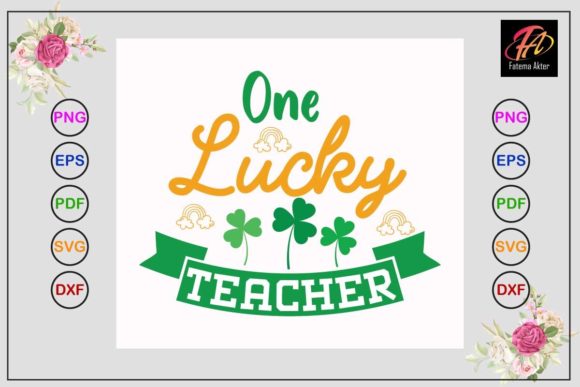
When evaluating digital assets for physical production, my first question is always whether a graphic can survive the transition from screen to stitch. The One Lucky Teacher Svg Shirt design initially presents itself as a versatile vector graphic intended for cutting machines like Cricut or Silhouette. However, as an embroidery designer and product reviewer, I look at this file through a different lens. I am not looking for cut lines; I am looking for structural integrity that will translate into a high-quality machine embroidery design. The aesthetic of this graphic suggests a playful yet professional tone, perfect for educator appreciation gifts or boutique school merchandise. Visually, it balances bold typography with thematic icons, creating a layout that feels celebratory without being overly cluttered. For a craft business owner, this balance is crucial because it implies the design could work across multiple mediums, but it requires careful digitizing consideration to ensure those clean vector lines become durable stitches.
Real-World Application: Stitching the Teacher Tote
To truly understand the value of this asset, I mentally placed it into a specific production scenario: creating a custom canvas tote bag for a retiring teacher. This is a classic personalized gift that demands durability and visual clarity. Canvas is a forgiving fabric, but it has texture. When adapting the One Lucky Teacher Svg Shirt concept for this project, I considered how the design elements would interact with the weave of the bag. If the original SVG contains thin, intricate lines meant for vinyl, they must be converted to a running stitch or a thicker satin column to prevent sinking into the fabric texture. In this real-life application, the design serves as the centerpiece of the tote. A successful execution here means the text remains legible from a distance and the decorative elements do not distort when the bag is loaded with books. This practical test confirms whether the graphic has enough "bone" to support a tote bag design or if it needs significant modification during the digitizing process to maintain its charm on a textured surface.
Translating Vector Graphics to Thread
It is vital to remember that the product description specifies you receive an SVG and DXF file. These are vector formats, not native embroidery files like DST or PES. For the Etsy seller or maker, this means the One Lucky Teacher Svg Shirt is a foundational template rather than a stitch-ready solution. This distinction matters immensely for sweatshirt embroidery or custom apparel. Vectors define shapes with mathematical precision, whereas embroidery defines shapes with thread density and direction. When converting this graphic, you must decide which elements warrant a satin stitch for shine and which require a fill stitch for coverage. Thin script fonts often seen in teacher designs can be problematic if digitized too narrowly; they may break thread or tunnel on knit fabrics. I recommend treating this SVG as a premium tracing guide. Use it to create a custom digitized version where you can manually adjust underlay and pull compensation, ensuring the final finished product looks intentional and professional rather than like an auto-digitized afterthought.
Navigating Fabric Limitations and Hoop Constraints
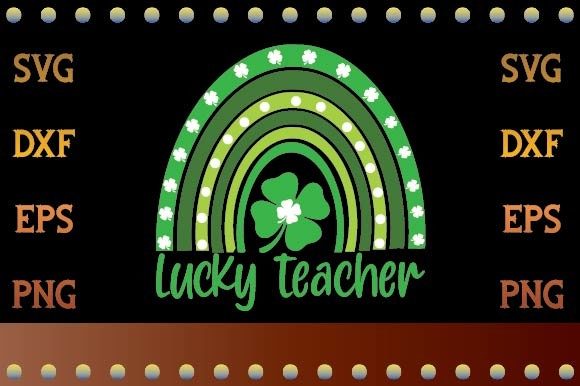
While the design theme is universally appealing, technical execution varies wildly by substrate. I have found that designs featuring the "Lucky Teacher" motif often include detailed accents like shamrocks, stars, or pencils. On stable cottons, these details render beautifully. However, caution is required for stretchy knits or performance wear often used in modern custom apparel. If you plan to use this design on a lightweight t-shirt, the stitch density must be managed carefully to prevent puckering. Heavy fill areas combined with dense satin borders can create a bulletproof patch effect that distorts the garment drape. Furthermore, consider your hoop size. If the SVG layout is wide, it might exceed standard 4x4 hoops, forcing a resize that could compromise small text clarity. For baby embroidery or items requiring frequent washing, avoid tiny detached elements derived from the SVG that could snag or unravel. Always prioritize structural safety over visual complexity when adapting graphics for vulnerable fabrics.
Commercial Viability and Brand Consistency
For the small shop product line or commercial embroidery venture, consistency builds trust. The One Lucky Teacher Svg Shirt offers a cohesive visual identity that can extend beyond shirts. Imagine using the same digitized adaptation for an embroidered patch, a tea towel, and a matching mug wrap. This cross-product versatility maximizes the ROI of your digitizing time. However, before listing any handmade product, verify the licensing terms associated with the original SVG purchase. Just because you digitized it yourself does not automatically grant commercial rights to the underlying artwork. Ethical business practices protect your reputation. Additionally, when creating printable mockups or digital previews for your listings, ensure the rendered image accurately reflects what thread can actually achieve. Misleading customers with crisp vector previews that result in fuzzy stitches leads to returns. Honest representation of the embroidery project outcome fosters long-term buyer engagement and positive reviews.
Essential Pre-Production Checklist for Makers
Before committing this design to a final garment or bulk order, run through a rigorous testing protocol. My experience reviewing countless design assets suggests the following steps are non-negotiable:
- Test on Scrap Fabric: Never stitch directly on the final item first. Use a scrap of the exact material and stabilizer combination intended for the project to check for registration issues.
- Evaluate Thread Contrast: View the design in black and white during the digitizing phase to ensure tonal separation. What looks distinct in color vectors might blend into a muddy mess in monochrome thread.
- Check Small Text Legibility: If the SVG includes taglines or names, verify they remain readable at the intended stitch size. Text under 6mm height often requires simplification.
- Assess Stabilizer Needs: Determine if cutaway, tear-away, or water-soluble stabilizer best supports the design density on your chosen fabric.
- Verify Licensing: Re-read the original file’s terms regarding commercial use of derivative works to ensure your craft business remains compliant.
- Mockup Reality Check: Compare your digital preview against a physical sample photo to calibrate customer expectations for the holiday embroidery season or back-to-school rush.
Final Thoughts on Design Adaptation
The One Lucky Teacher Svg Shirt represents a fantastic starting point for creative entrepreneurs willing to bridge the gap between digital graphics and textile art. Its strength lies in its thematic resonance and clean vector geometry, which provides an excellent roadmap for digitizers. However, its success as an embroidery project depends entirely on the maker's technical interpretation. By respecting the limitations of thread, understanding fabric behavior, and adhering to proper testing protocols, you can transform this SVG into a cherished personalized gift or a best-selling boutique item. Remember that in our industry, the most beautiful design is one that survives the wash cycle and brings joy to the wearer. Approach this file with craftsmanship, and it will serve your business well.