Elementary Hello Middle School Svg Review
First Impressions: Capturing the Back-to-School Vibe
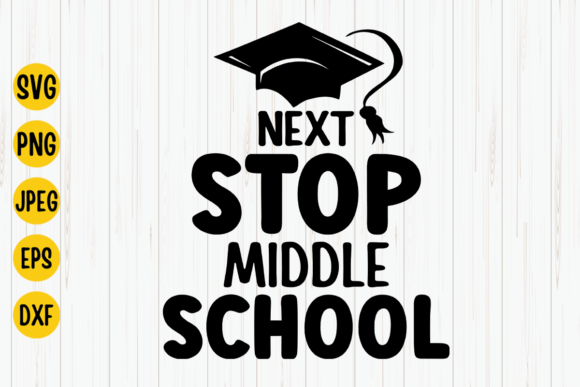
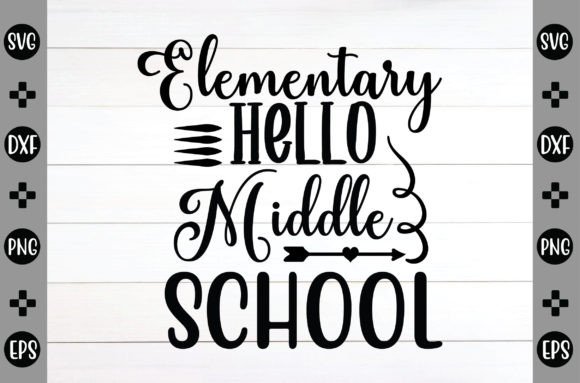
As a designer who spends hours digitizing and testing files for commercial embroidery, my first look at the Elementary Hello Middle School Svg was focused entirely on translatability. While this product is marketed as an instant download cutting file compatible with machines like Cricut and Silhouette, my primary concern is how these vector lines convert into a professional machine embroidery design. The aesthetic immediately strikes a balance between nostalgic elementary charm and the fresh excitement of middle school. It feels approachable yet mature enough for older students, avoiding the overly juvenile look that can alienate pre-teens.
The visual personality of this graphic suggests clean lines and bold shapes, which is exactly what I look for in a versatile embroidery file. For those of us in the craft business or running an Etsy shop, this specific mood is gold. It targets a very specific emotional niche: the transition period. When evaluating this as a potential digital embroidery file source, the layout appears optimized for center-chest placements on apparel or centered designs on accessories. It does not feel cluttered, which reduces the risk of registration issues when stitching out complex text elements.
Real-World Application: Stitching Out a Custom Sweatshirt
To truly evaluate this asset, I mentally walked through a recent client project involving custom spirit wear for a local middle school orientation. We needed a sweatshirt embroidery design that students would actually want to wear beyond the first week. Using the Elementary Hello Middle School Svg as a base, the goal was to create a handmade product that felt boutique-quality rather than mass-produced.
In this scenario, the design serves as an excellent candidate for mixed-media application. Because it originates as a cutting file, the outlines are precise. For embroidery, this allows for a crisp running stitch outline or a converted satin stitch border that defines the lettering clearly against fleece fabric. I envision pairing this graphic with a chunky collegiate font to enhance the middle school aesthetic. The result is a custom apparel piece that bridges the gap between digital art and tactile craftsmanship. For an Etsy seller, this type of hybrid project—where vinyl and thread complement each other—often commands a higher price point because of the perceived effort and unique texture.
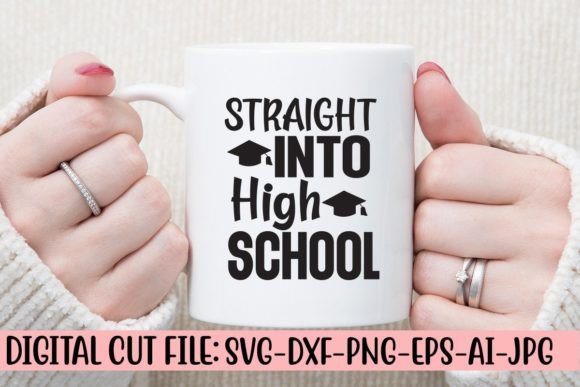
Furthermore, this design translates beautifully to non-apparel items. A tote bag design featuring this graphic appeals to parents and students alike for carrying books or supplies. The simplicity of the SVG ensures that even if you are converting it manually or using auto-digitizing software, the core integrity of the shape remains intact. This reliability is crucial when producing small shop products where consistency across different mediums builds brand trust.
Navigating Fabric Textures and Hoop Limitations
However, practical experience dictates caution. Not every surface welcomes this style of graphic equally. When planning a baby embroidery project or items for younger siblings, the scale of "Middle School" typography might be too large for tiny onesies. You must verify your hoop size before committing. If you attempt to shrink this design down to fit a 4x4 hoop without adjusting the internal spacing, the letters may become illegible blobs of thread.
Fabric texture plays a massive role in the success of this embroidery project. On smooth cotton or polyester blends, the design will shine. On highly textured fabrics like terry cloth towels or thick chenille, the finer details of the SVG could get lost. In these cases, I strongly recommend using a water-soluble topping stabilizer to keep the stitches on top of the pile. Without proper stabilizer, even the best vector art will sink and distort.
Be particularly mindful when applying this to stretchy knits or dark fabrics. As a digital product seller or maker, you know that white thread on black fabric requires more density to avoid the background showing through. Conversely, too much stitch density on a lightweight tee can cause puckering. Always test the tension. Also, while the SVG format is scalable, remember that embroidery has physical limits. Tiny serifs or thin connecting lines present in the original vector file may need to be thickened during the digitizing process to prevent needle breaks or thread shredding.
Elevating Product Value and Brand Consistency
Using Elementary Hello Middle School Svg effectively can significantly boost the perceived value of your finished product. Customers recognize quality. When a personalized gift features crisp, well-executed lettering derived from a high-quality vector source, it signals professionalism. This is especially true for holiday embroidery or back-to-school bundles where buyers are comparing dozens of listings. A design that looks pixelated or poorly traced destroys confidence instantly.
For creative entrepreneurs, this graphic offers strong brand consistency. Whether you are creating printable mockups for your website or stitching physical samples for photography, the clean geometry of this SVG ensures your marketing materials match your actual output. This alignment is vital for commercial embroidery businesses fulfilling bulk orders. Schools and PTAs expect uniformity; having a reliable master file ensures that the 50th shirt looks identical to the first.
Additionally, consider the versatility for design assets. This graphic isn't limited to just one use case. It works for embroidered patches, iron-on transfers, and even sublimation. Diversifying how you use a single purchase maximizes your ROI. Just ensure you understand the distinction between selling the digital file versus the physical item. Most licenses allow for handmade product sales but prohibit reselling the raw digital embroidery file. Always confirm licensing before listing anything in your shop.
Essential Designer Notes for Success
Before you load this design into your machine or list it in your store, run through this practical checklist to ensure professional results:
- Test on Scrap Fabric First: Never stitch a new conversion directly onto a final garment. Use a similar weight scrap to check tension and clarity.
- Verify Thread Colors: Check contrast ratios. What looks good on a white screen background might vanish on a heather gray sweatshirt.
- Review Stitch Density: If converting from SVG to DST/PES manually, ensure fill stitches have appropriate overlap to prevent gaps.
- Confirm Hoop Size: Measure the design dimensions after resizing. Ensure it fits comfortably within your machine’s maximum embroidery area with room for hooping.
- Inspect Small Details: Zoom in at 100% view. If any line is thinner than 1mm, thicken it in your embroidery software to accommodate thread width.
- Mockup Testing: Create both light and dark background mockups to visualize how the design pops before production.
- Stabilizer Selection: Match your backing to the fabric weight. Cut-away for knits, tear-away for wovens, and always use topping for textured surfaces.
- Licensing Check: Re-read the terms for Elementary Hello Middle School Svg. Confirm whether commercial embroidery is permitted and if there are caps on production quantity.
By treating this SVG not just as a clip-art download but as a foundational blueprint for textile art, you elevate your craft. Whether you are making a custom apparel line for a boutique or a single personalized gift for a niece starting sixth grade, respecting the technical requirements of embroidery ensures the final result honors the original design intent. Practical judgment, combined with creative vision, is what separates hobbyists from professionals in the world of Crafts and Graphics.