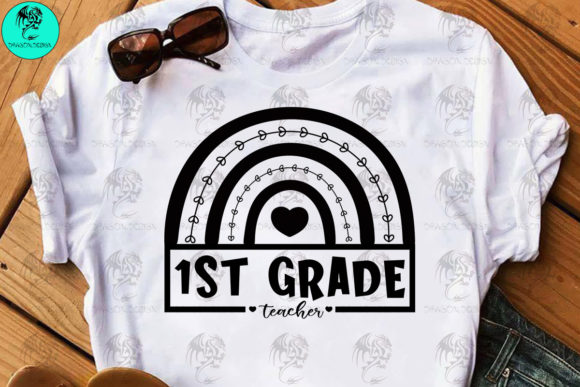
1ST Grade Teacher Svg: A Designer’s Embroidery Review
As a professional embroidery designer and product reviewer, I approach every new digital asset with a critical eye. When evaluating the 1ST Grade Teacher Svg, my primary concern is not just how the graphic looks on a screen, but how it translates into thread on fabric. This design falls squarely within the Crafts and Graphics categories, serving as a versatile foundation for both digital cutting machines and machine embroidery digitizing. Having worked extensively with educational themes, I can attest that first-grade teacher merchandise requires a specific balance of professionalism, warmth, and durability. This review breaks down the practical realities of using this file for real-world projects, from custom apparel to boutique inventory.
Visual Personality and First Impressions
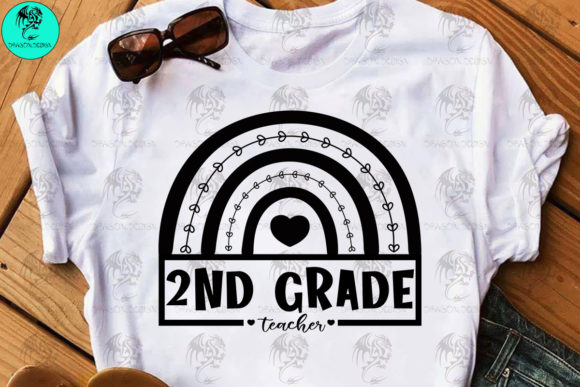
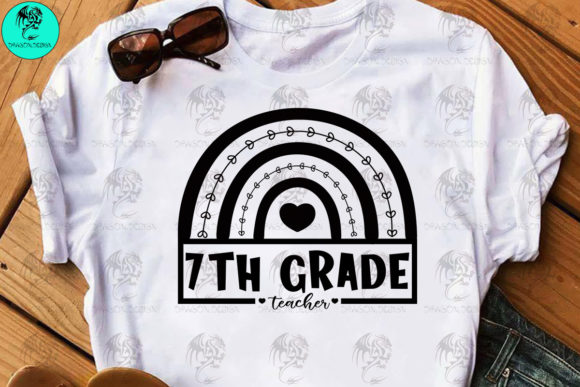
Upon opening the 1ST Grade Teacher Svg, the immediate impression is one of approachable clarity. The typography typically associated with this grade level strikes a necessary chord between playful and legible. Unlike upper-grade designs that may lean toward minimalist serif fonts, or preschool graphics that can be overly cartoonish, this design occupies a sweet spot perfect for early elementary educators. The lines are generally clean, which is a massive advantage when converting vector graphics into stitch files. For an embroidery designer, smooth curves and distinct separation between elements mean less time cleaning up auto-digitized jagged edges and more time focusing on texture and flow.
The mood created by this graphic is celebratory yet grounded. It acknowledges the significant milestone of teaching first grade without feeling juvenile. This visual personality makes it an excellent candidate for a wide range of products. Whether you are creating a personalized gift for a retiring educator or stocking an Etsy shop with back-to-school merchandise, the design carries enough weight to justify a higher price point while remaining friendly enough for daily wear.
Real-World Application: The Custom Sweatshirt Test
To truly evaluate this asset, I mentally placed it in a common production scenario: creating a custom embroidered sweatshirt for a "First Grade Team" at a local elementary school. In this real-life case, the 1ST Grade Teacher Svg serves as the centerpiece for crewneck fleece garments. Fleece presents unique challenges due to its loft and stretch. Because this SVG likely features bold, readable lettering, it adapts beautifully to a combination of satin stitch borders and fill stitch interiors.
When stitching this design onto a sweatshirt, the visual hierarchy matters. If the SVG includes multiple elements—such as an apple icon alongside the text—I would recommend separating them slightly during digitization to prevent puckering on the soft fabric. The design’s structure allows for easy resizing, which is crucial when offering sizes from Small to 3XL. A 4x4 hoop size might suffice for a pocket placement, but for a full-chest application, the design needs to scale up without losing definition. The provided EPS and DXF formats are particularly valuable here, as they allow for precise node editing before generating the final embroidery file. This ensures that the "1st Grade" text remains crisp even when expanded to six inches wide.
Navigating Fabric Challenges and Technical Limits
While the 1ST Grade Teacher Svg is versatile, it demands respect for technical limitations depending on the substrate. As an experienced maker, I advise caution when applying this design to certain materials:
- Stretchy Knits and Ribbed Fabric: If using this design on baby clothes or lightweight t-shirts, the stitch density must be managed carefully. Heavy fill stitches combined with the natural stretch of knit fabric can cause tunneling. Always use a high-quality cutaway stabilizer and consider a water-soluble topping to keep the stitches from sinking into the fabric texture.
- Textured Fabrics: On tea towels or canvas tote bags, the fabric weave can compete with fine details. If the SVG contains thin running stitch accents or small decorative stars, these may get lost in the linen or canvas grain. In such cases, I recommend increasing the underlay or simplifying the smallest elements to ensure readability.
- Curved Surfaces: When adapting this design for caps or curved sleeves, horizontal alignment is key. The straight baseline of standard SVG text often needs to be arced in your embroidery software to match the curve of the hat. Failure to do so results in text that appears to slide off the brim.
- Dark vs. Light Fabrics: Before committing to a production run, test the design on both black and white scrap fabric. Thread colors react differently against various backgrounds. A gold thread that pops on navy blue might disappear against cream. Adjusting thread colors based on the garment base is essential for maintaining the design's impact.
Commercial Viability for Makers and Sellers
For Etsy sellers and small business owners, the 1ST Grade Teacher Svg represents a strong commercial opportunity, provided it is executed with professional standards. Customers trust handmade products that look polished. A poorly stabilized embroidery job or pixelated print devalues the entire brand. Because this package includes Transparent PNG files, you can easily create printable mockups for your listings without needing to stitch a sample first. This accelerates the listing process and helps gauge customer interest before investing time in digitizing.
However, value extends beyond the initial sale. Consider the longevity of the finished product. Teacher apparel is washed frequently. Ensuring your stitch density is appropriate for industrial laundering protects your reputation. Additionally, always verify the licensing terms associated with this specific SVG purchase. While the file formats (SVG, PNG, EPS, DXF) suggest broad usability, confirming whether you have rights for commercial embroidery versus personal use is a non-negotiable step for any ethical craft business.
Essential Designer Notes for Success
Before loading this design into your machine or sending it to a client, adhere to these practical checkpoints:
- Verify File Integrity: Although you receive SVG, PNG, EPS, and DXF formats, none of these are native embroidery formats like PES or DST. You must digitize or convert this vector art. Do not rely on automatic conversion tools alone; manually review stitch paths to ensure logical sequencing and minimize jump stitches.
- Test Stitch Density: Run a test sew-out on scrap fabric that matches your final project. Check the back of the embroidery; excessive bobbin thread showing on top indicates tension issues or density that is too high for the chosen stabilizer.
- Check Small Details: If the design includes tiny text like "Est. 2024" or small icons, ensure they are large enough to stitch clearly. Anything under 4mm in height risks becoming illegible. Scale up or remove micro-details if necessary.
- Mockup Validation: Use the Transparent PNG to create digital previews, but also photograph a physical sample if possible. Digital mockups can sometimes misrepresent the sheen of rayon or polyester thread. Real photos build greater buyer confidence.
- Color Contrast Check: View your thread palette in grayscale. If the design relies solely on color contrast rather than value contrast, it will fail in low-light conditions or for visually impaired viewers. Ensure there is sufficient tonal difference between the design and the fabric.
The 1ST Grade Teacher Svg is a robust starting point for creators who understand the translation from screen to stitch. By respecting the technical requirements of embroidery and leveraging the included file formats wisely, you can transform this digital graphic into a cherished, high-quality handmade product that honors the dedication of first-grade educators everywhere.